
IFRS 9 Programme for the Reserve Bank Of South Africa
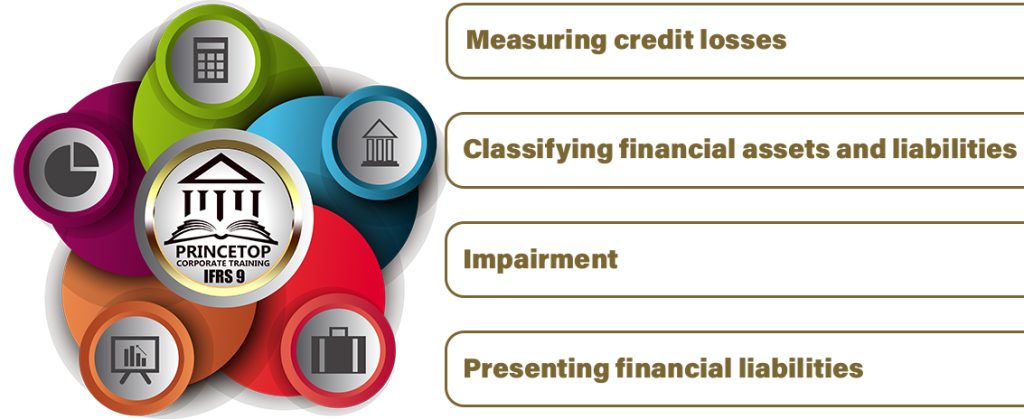
In this Comprehensive IFRS 9 Training for the South African Reserve Bank (SARB)– Financial Instrument Training Course, covered in three blocks, (Introductory, Intermediate and Advanced, Participants will delve into the intricacies of International Financial Reporting Standard 9 (IFRS 9). The Course was carefully crafted by a coalition of international practicing professionals in the field with a view of creating an impactful life-changing in-depth programme. This course provides a comprehensive understanding of IFRS 9’s requirements, implementation, and impact on financial reporting, equipping attendees with essential skills for navigating the complexities of financial instruments from a financial user point of view, in compliance with global accounting standards. The course explains various aspects of, and issues related to, asset classification and provisioning, both from the prudential regulatory perspective and the perspective of interpretation, analysis and oversight for general and statistical purposes.
Learners are expected to be competent in the following areas:
- Classify and measure financial assets under the three categories in IFRS 9.
- Analyze the impact of IFRS 9 on the classification of financial assets, including embedded derivatives.
- Classify and measure financial liabilities under the two categories in IFRS 9.
- Evaluate the principles of fair value measurement in IFRS 13.
- Apply the principles of derecognition of financial assets.
- Calculate the impairment loss on loans and other financial assets under the expected credit loss model in IFRS 9.
- Analyze the estimates and judgments in the expected credit loss impairment model.
- Apply the hedge accounting model in IFRS 9 and learn how it is aligned more closely to standard risk management practices than IAS 39.
1. Introduction to IFRS 9 (Accounting Approach)
Key Programme Outcomes
- Understanding credit risk in banking
- Understanding credit risk in banking
- Understanding the whole basis of IFRS and how these statements impact on profitability
- Understanding the whole basis of IFRS 9
- Understanding the calculation of ECL
- Understanding Hedge Accounting
- Understanding IFRS 7 and its impact on disclosure of risk
- Application of IFRS 9 and implications to the SARB
2. Intermediate Programme for IFRS 9 (Technical Approach in ECL)
Key Programme Outcomes
- The programme objective is to give Central Bankers a professional understanding of IFRS 9 and ECL
- The mathematics of Expected Credit Loss and how each of the key variables |PD| x |EAD| x |LGD| are modelled
- Understanding Macroeconomic factors in determining ECL
- The importance of Model calibration and validation
- Regulatory issues with ECL Modelling
- Understanding the application of IFRS 9 at the Reserve Bank
3. Advanced Programme for IFRS 9 (Regulatory Approach to managing Credit Risk)
Key Programme Outcomes
- Understanding the strategic dimensions of IFRS 9 and its impact on Regulatory Capital
- Understanding IFRS 9 Statement and auditor’s perspective
- Undertsanding how ECL impairment is modelled
- Examination of Basel’s approach to ECL Modelling
- Examination of Basel’s approach to the management of ECL
- Reviewing a set of actual Financial Statements
- Development of an action plan
Our Faculty

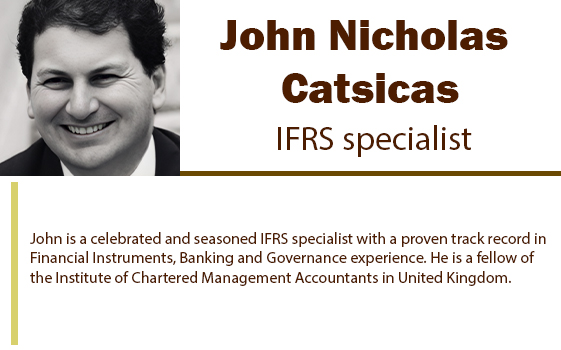
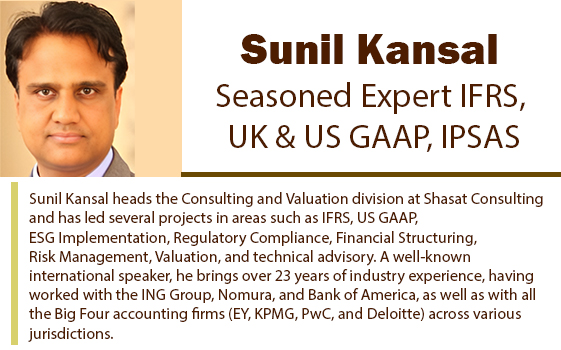
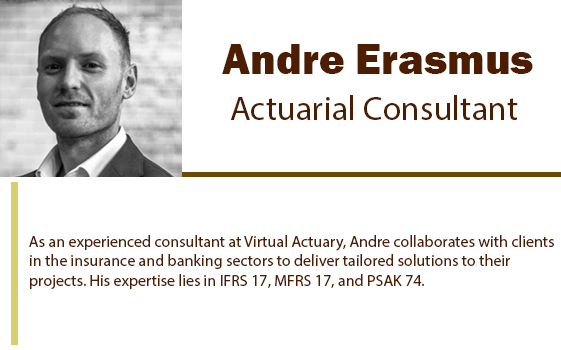
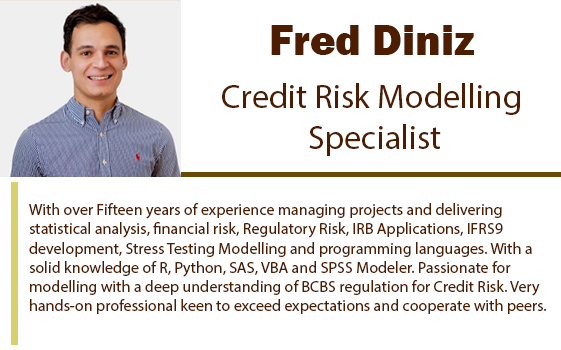
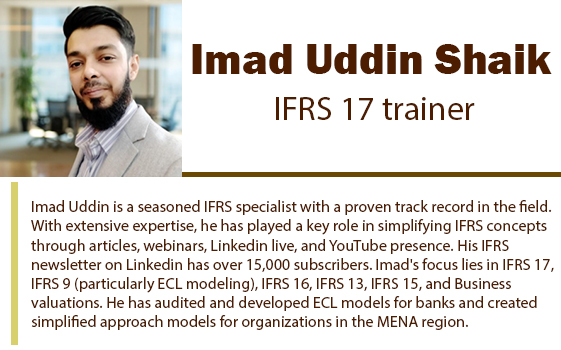


Course Instructor
